
Mustard Greens
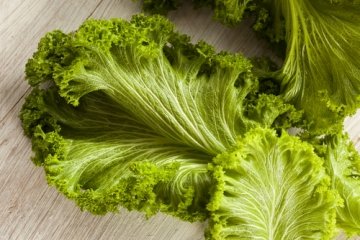
Mustard greens are the most pungent of the cooking greens and lend a peppery flavor to food. They are an excellent source of vitamins A, C and K, folate and manganese.
Did You Know?
- Mustard greens taste best when cooked within a day or two of harvest.
- 1 cup of cooked mustard greens contains only 15 calories!
- Mustard green leaves can have a crumpled or flat texture and toothed, scalloped, frilled or lacy edges.
- The mustard plant produces seeds that can be used in making Dijon mustard.
- Mustard greens originated in the Himalayan region of India more than 5,000 years ago.
- The peak season for mustard greens in Florida is October through March.
Shopping, Preparing and Storing
- Look for mustard greens that have a green color and do not show any yellowing or withering. Mustard greens should have stems that look freshly cut; avoid stems that look dried out, browned or split.
- To store mustard greens, gently wrap unwashed greens in paper towels and store loosely in plastic bags. Keep in the lower part of the refrigerator for up to a few days.
- Mustard greens can be frozen after they are cooked for up to six months.
Cooking Tips
- Add mustard greens to salads, sauté with walnuts, or add chopped mustard greens to a pasta salad for a perfect side dish.
- Tough stems, veins and discolored leaves should be removed before cooking.
Mustard Greens Nutrition
Serving size: ½ cup cooked greens
Calories: 10; Total Fat: 0 g; Saturated Fat: 0 g; Total Carbohydrates: 1 g; Protein: 2 g; Sodium: 11 mg
Download a flyer to print about Florida
mustard greens
[
 1.3 MB
]
.
1.3 MB
]
.


