
Milk
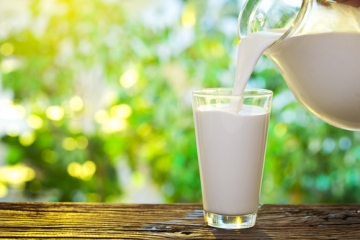
Choose low-fat or fat-free! The best choices for milk and dairy are low-fat or fat-free products. It’s easy to get enough calcium without adding extra fat to your diet, because these items contain little or no fat.
Did You Know?
- Milk contains a good balance of protein, fat and carbohydrates, as well as many essential nutrients including calcium, riboflavin, phosphorus, vitamins A, D, B12 and pantothenic acid.
- It takes about 10 pounds of milk to make a pound of cheese.
- Young children need the nutrients milk provides because their developing skeletal systems replace bone mass every two years until they reach maturity.
Shopping, Preparing and Storing
- Avoid unpasteurized milk or any products made from unpasteurized milk.
- Refrigerate milk promptly. If it sits out longer than two hours, throw it out.
- Milk can be frozen and used later, though freezing may alter the flavor and texture slightly.
Cooking Tips
- Try using low-fat milk in place of water when making oatmeal.
- Give soups and casseroles more flavor by adding low-fat milk.
- Use low-fat milk and fresh or frozen fruit when making smoothies.
Milk Nutrition
Serving size: 1 cup (low-fat, 1%)
Calories: 102; Total Fat: 2 g; Saturated Fat: 2 g; Total Carbohydrates: 12 g; Protein: 8 g; Sodium: 107 mg
Download a flyer to print about Florida
milk
[
 3.5 MB
]
.
3.5 MB
]
.


