
Mushroom
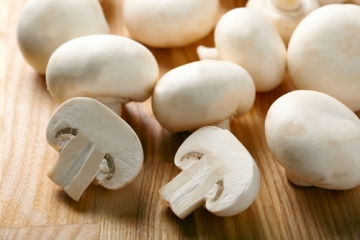
Mushrooms are nutrient-dense and contain a variety of antioxidants. They are also fat-free and low in calories. Fresh mushrooms can be added to everyday dishes to provide an extra serving of vegetables.
Did You Know?
- Mushrooms are a good source of B vitamins, including riboflavin, niacin and pantothenic acid, which help to provide energy by breaking down proteins, fats and carbohydrates.
- Mushrooms cannot make their own food from the sun because they contain no chlorophyll. Mushrooms rely on other plants to support their growth.
- Florida mushrooms are available year-round.
Shopping, Preparing and Storing
- Look for unblemished mushrooms with no signs of bruising, tearing or soft spots. The stems should still be intact and the caps firm, not shriveled or dry.
- Store mushrooms unwashed in a paper bag for up to three days. Mushrooms absorb smells, so don’t store them next to strong-smelling foods.
- Don’t wash mushrooms before storing them because they readily absorb water.
Cooking Tips
- Mushrooms are versatile and can be eaten raw or cooked, whole, sliced or chopped.
- When cooking whole mushrooms, choose a uniform size to ensure they cook at the same rate.
Mushroom Nutrition
Serving size: 1 cup
Calories: 15; Total Fat: 0 g; Saturated Fat: 0 g; Total Carbohydrates: 2 g; Protein: 2 g; Sodium: 4 mg
Download a flyer to print about Florida
mushrooms
[
 2.9 MB
]
.
2.9 MB
]
.


