
Coconut
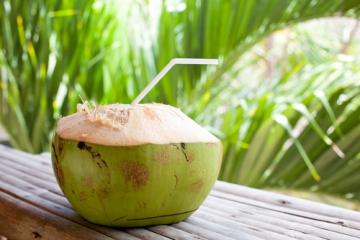
Every part of the coconut can be used to infuse tropical flavor and a dose of healthy fatty acids into all kinds of dishes. The white, fleshy part of the coconut is called the meat. It contains high amounts of manganese, potassium and copper.
Did You Know?
- A coconut tree will live approximately 60 years and generates an average bunch of about 15 coconuts each month.
- The nutritional value of the coconut and its taste vary depending on the stage of maturity the coconut is in.
- During the early stages of its growth, a coconut contains high levels of water, which can be consumed directly as a refreshing drink.
- The meat in mature coconuts is firm and can be eaten fresh or may be used for making shredded coconut.
- Coconut milk is made from the expressed juice of grated coconut meat and water; it can be very high in calories, so it is best to choose the “lite” version.
- South Florida’s tropical climate is ideal for producing coconuts.
Shopping, Preparing and Storing
- When purchasing a coconut, give it a good shake to see if there is water inside. If you do not hear anything, the coconut is too ripe and may have an altered taste.
- Avoid any coconuts that are cracked or punctured. There should be no moisture leaking from the coconut's three dark eyes.
- Whole coconuts can be stored in the fridge for up to two months. Once the coconut is opened, the meat can only keep for a few days.
Cooking Tips
- Coconut oil is very heat-stable, making it suitable for sautéing, baking, roasting and even frying.
- Coconut milk blends well with many dishes, including curries, soups and sauces.
- Sprinkle toasted coconut over oatmeal for breakfast, a tropical fruit salad for lunch or dinner, or pair it with nuts and dried fruit for a healthy snack.
Coconut Nutrition
Serving size: ¼ cup shredded coconut meat
Calories: 106; Total Fat: 7 g; Saturated Fat: 6 g; Total Carbohydrates: 12 g; Protein: 1 g; Sodium: 66 mg
Download a flyer to print about Florida
coconuts
[
 2.1 MB
]
.
2.1 MB
]
.


