
Plant Pests and Diseases
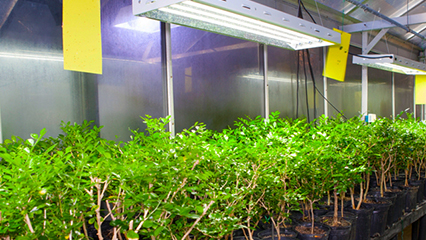
Biological Control
Biological control is the use of natural enemies to reduce damage caused by destructive organisms to tolerable levels.
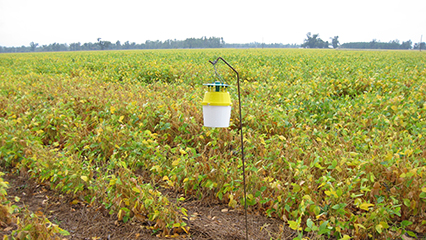
CAPS
CAPS is an effort by state and federal agricultural agencies to conduct surveillance, detection and monitoring of exotic plant pests.
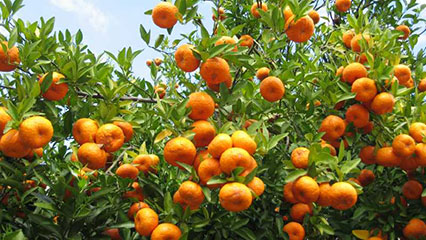
Citrus Health Response Program
Find citrus industry information including regulations, pests, diseases, and current programs.
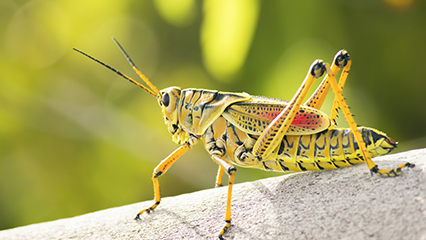
Eastern Lubber Grasshopper
Occasionally local populations explode to such an extent that they can seriously damage ornamentals, row crops and citrus groves.
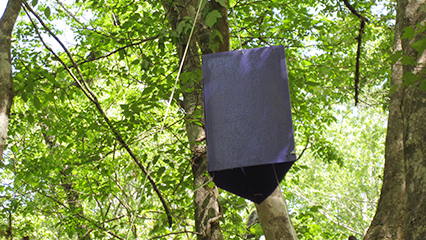
Emerald Ash Borer Trapping Program
Emerald ash borer has killed millions of ash trees in the northern U.S. since its arrival in 2002.
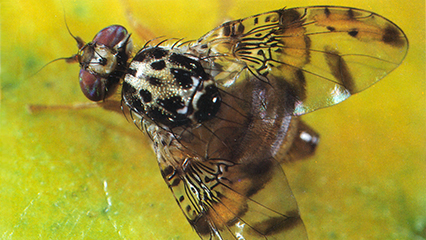
Exotic Fruit Fly Pests
Fruit flies have a wide host range of fruits, vegetables and nuts, and most of Florida’s crops fall within the host range.
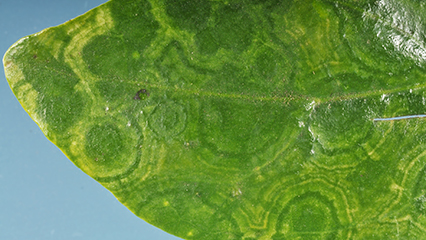
Florida Plant Viruses and Their Inclusions
Viral inclusion bodies can be seen using the light microscope and can be used for disease diagnosis.
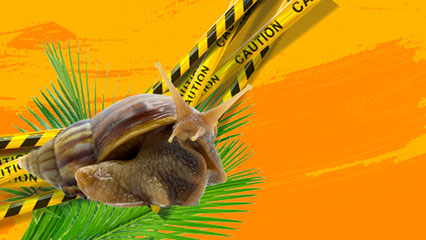
Giant African Land Snail
The giant African land snail is one of the most damaging snails in the world, consuming at least 500 different types of plants.
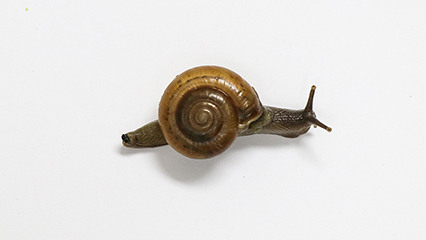
Horntail Snail Eradication
The horntail snail, a pest that feeds on a wide variety of crops, was identified in Miami-Dade County in September 2020.
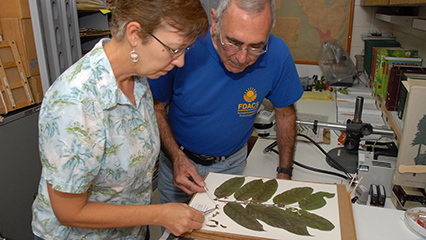
How to Submit a Sample for Identification
Learn how to properly submit a plant or insect specimen to the Division of Plant Industry for identification.

Laurel Wilt Disease
Laurel wilt is a deadly disease of redbay and other tree species in the Laurel family.
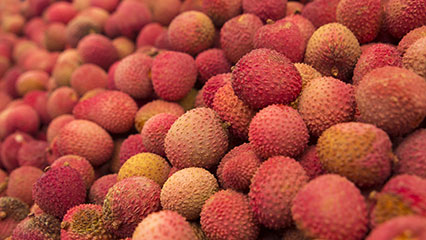
Lychee Erinose Mite
A quarantine is in place for all of Lee County due to the presence of lychee erinose mite, a major pest of lychee.
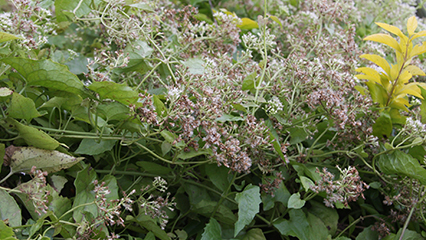
Mikania Micrantha, Mile-a-Minute
Mile-a-minute is a fast-growing vine on both the federal and Florida state noxious weed lists.
Noxious Weeds
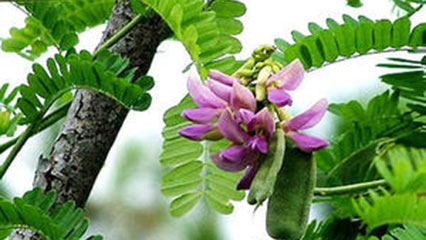
FDACS regulates the movement of noxious weeds in Florida. Nursery sales of these weeds are prohibited.

Pest Alerts
Pest alerts are scientific publications regarding agriculture pests of concern to Florida.

Red Palm Mite
Learn about the red palm mite, a pest of coconut, areca palm and date palms.

Tropical Soda Apple Compliance Requirements
Inspections and compliance agreements are available to help ensure tropical soda apple isn't spread via the movement of regulated articles.


