
Mikania Micrantha, Mile-a-Minute
Mikania micrantha Kunth (also known by the common names of climbing hempweed, mile-a-minute, Chinese creeper and bittervine) is a fast-growing vine on both the federal and Florida state noxious weed lists. It thrives in warm and humid environments, and has been observed to grow almost half a meter per week under optimal conditions. While native to Central and South America, its global range expanded to cover Southeast Asia and the Pacific during the 1940s when it was used as camouflage for airfields. As a rapidly growing climbing vine, it can smother and overwhelm other small plants and even large trees. Left uncontrolled, it can cover abandoned disturbed areas in only a few months, and then spill over into agricultural and natural areas. It has been documented as a pest in banana, cacao, coconut, oil palm, rubber and rice plantations. Mile-a-minute is one of the top 100 global invasive pests.
It was detected in the Redlands area of Miami-Dade County. This plant had not previously been reported to be established in the continental United States. Survey and management programs are underway.
Mikania micrantha in Florida
If you think you have seen this plant, call 1-888-397-1517.

Mikania micrantha
Photo courtesy of Konrad Englberger, Secretariat of the Pacific Community
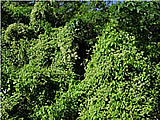
Mikania micrantha on Saipan
Photo courtesy of Konrad Englberger, Secretariat of the Pacific Community
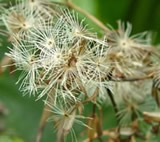
Mikania micrantha
Photo courtesy of Secretariat of the Pacific Community
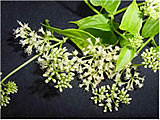
Mikania micrantha
Photo courtesy of Konrad Englberger, Secretariat of the Pacific Community
Mikania micrantha Updates
-
Botany Circular No. 37: Which Mikania: Native Vine or Noxious Weed?
[
 477.9 kB
]
477.9 kB
]
-
Mikania micrantha Fact Sheet
[
1.8 MB
]
(Asia-Pacific Forest Invasive Species Network)
-
Mikania micrantha Noxious Weed Alert
[
675.6 kB
]
-
Mikania micrantha Positive Finds in Florida
[
1.6 MB
]
- Mikania micrantha Pest Alert (FDACS)
- UF/IFAS EDIS Fact Sheet
- Noxious Weeds
-
2/4/2010 2nd Interim Report Florida Pest Survey
[
1.7 MB
]
-
12/29/09 Interim Report Florida Pest Survey
[
171.3 kB
]
-
A Report from DPI Botanist Dr. Richard Weaver 12/11/09
[
13.6 kB
]


