
Wellness Tips
- If you travel for work, plan ahead. Bring your tennis shoes for an early morning run or choose a hotel that has a gym.
- Take the stairs as often as possible. Every time you make the decision to skip the elevator or escalator, you are making a decision that will positively affect your long-term health.
Be Skin Safe
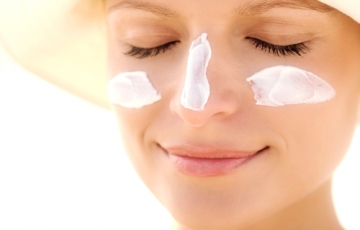
The skin is the largest and most visible organ of the human body. It helps protect other organs, assists with regulating body temperature and reflects how healthy you are on the inside. Keep your skin looking its best while reducing your risk for skin cancer by following these 10 practical tips:
- Choose a broad-spectrum sunscreen with an SPF of 30 or higher. A broad-spectrum sunscreen has been tested and shown to protect against UVA and UVB rays. The SPF number is the level of protection the sunscreen provides against UVB rays, which are the main cause of sunburn. A higher SPF number means more UVB protection.
- Apply sunscreen regularly. Apply sunscreen 15 to 30 minutes before going out in the sun. Sunscreens should be reapplied at least every two hours, or more often if you’re swimming or sweating, to maintain protection.
- Avoid tanning beds. Ultraviolet light from the sun and tanning beds can cause skin cancer and wrinkling. According to the American Cancer Society, tanning bed use has been linked with an increased risk of melanoma, especially if it’s started before the age of 30.
- Reduce time in the sun. It’s important to limit sun exposure between 10 a.m. and 2 p.m. when the sun's rays are strongest. Try to stay in the shade as much as possible throughout the day.
- Schedule an annual visit with a dermatologist. Regular visits with a dermatologist can help ensure that you stay on top of your skin health. A dermatologist has the training and expertise to help keep your skin healthy throughout your life.
- Know how to spot skin cancer. When caught early, skin cancer is highly treatable. Use this website from the American Academy of Dermatology to learn how to check your skin regularly.
- Don’t smoke. Smoking makes your skin look older and contributes to wrinkles. This is because smoking decreases blood flow and depletes the skin of oxygen and nutrients that are important to skin health.
- Eat a healthy diet. Eating a well-balanced diet helps ensure that your body gets all of the nutrients it needs to keep your skin healthy. Several vitamins, including vitamins A and C, play a critical role in maintaining and healing your skin.
- Remember proper hygiene. Remove daily dirt and grime by washing your face with mild soaps and cleansers. Be sure to rinse your skin well after washing and pat your skin dry.
- Keep stress in check. The American Academy of Dermatology states that stress can make the skin more sensitive and more reactive. Engaging in regular physical activity, getting enough sleep and spending time in meditation can all help reduce your stress levels.
Skin Health Calendar
May
- Melanoma/Skin Cancer Detection and Prevention Month (American Academy of Dermatology)
July
- UV Safety Month (Federal Occupational Health)
November
- National Healthy Skin Month (American Academy of Dermatology)


