
Packaging and Shipment
Samples shipped to the Bronson Animal Disease Diagnostic Laboratory (BADDL) will be classified as either “Exempt Patient Specimens” or “Biological Substance, Category B.” Practitioners should be aware that “Clinical Specimen” and “Diagnostic Specimen” are no longer authorized by the U.S. Department of Transportation; only the proper shipping name “Biological Substance, Category B” will be authorized.
Penalties for improper shipment may be imposed as per the Code of Federal Regulations (CFR), Title 49, Section 171. Specimens from suspected cases of foreign animal diseases and other very highly infectious and virulent diseases do not fall within the guidelines in this document. Contact your State Veterinarian or the Federal Veterinarian-in-Charge if a foreign animal disease is suspected.
Overnight trackable methods of shipment are recommended for perishable samples. It is the shipper’s responsibility to make sure that diagnostic specimens are packaged in accordance with the current shipping rules and regulations. By submitting specimens to the lab, clients are considered to have agreed to BADDL testing procedures and policies, including billing. Specimens submitted to BADDL become BADDL property.
Definition of Exempt Patient Specimens
An Exempt Patient Specimen is an animal or human specimen in which there is minimal likelihood that a pathogen is present. The likelihood that the specimen contains a pathogen MUST be determined by a professional and it MUST be based on the patient’s medical history, symptoms and endemic local conditions.
Definition of Category B Infectious Substances
A Category B Infectious Substance is an infectious substance that is not in a form generally capable of causing permanent disability or life-threatening or fatal disease in otherwise healthy humans or animals when they are exposed to it. Examples of a Category B Infectious Substance include any human or animal material including excreta, secretions, urine, blood and its components, tissue and tissue fluids being transported for diagnostic or investigational purposes, but excluding live, infected humans or animals.
Labeling Specimens
Clearly mark sample identification (animal ID, owner name, sample type, sample location) on each sample submitted. Proper identification eliminates the possibility of a specimen becoming separated from its submission form. Do not send samples in syringes, and be sure to remove all sharps from the boxes.
Do not wrap submission forms around samples. If the sample leaks, the form will be damaged. Enclose the paperwork for all samples in a single Ziploc® bag and place it on top of the samples.
Packaging and Shipping Requirements
Specimens are delivered to BADDL via private courier, owner drop-off, U.S. Postal Service and most major delivery companies. Please contact your chosen shipper directly for proper packaging details. Packaging used for Category B substances MUST be durable and able to withstand the shocks, vibration, and temperature and pressure changes associated with transport. Specimens must be packaged in a triple packaging consisting of a primary receptacle, a secondary packaging and an outer packaging. Some general packaging and shipping guidelines are listed here.
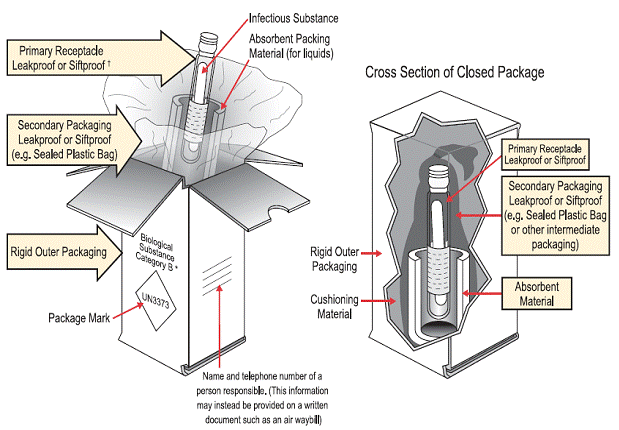
The packaging must consist of three components:
Component 1: A leakproof primary receptacle (e.g., vacutainer, serum tube, Whirl-pak bags, etc.)
Component 2: A leakproof secondary packaging (e.g., Ziploc® bags, biohazard bags, Styrofoam cooler)
- For liquid samples, wrap the stopper or screw-cap with Parafilm to prevent leakage. The secondary packaging must contain absorbent material in sufficient quantity to absorb the entire contents should the primary receptacles be damaged in transport.
- It is advised that specimens be packaged in two layers of appropriate leakproof containers (i.e., double bag).
- When multiple fragile (glass) primary receptacles are included in one secondary package, the primary receptacles should be wrapped or separated individually to prevent contact between them.
- Unless otherwise indicated, include enough ice packs (do not use ice). Make sure that chilled samples are not in direct contact with the ice packs as it could damage the specimen.
Component 3: An outside packaging (box) of adequate strength for its capacity and intended use. Do not ship in unprotected Styrofoam containers; these break easily if squeezed or dropped.
- Label the outside of the box clearly. Remove old conflicting labels that could confuse delivery.
- The name, address and phone number of the shipper must be marked on the outer package.
- The outer package must show the text “BIOLOGICAL SUBSTANCE, CATEGORY B,” at least 6 millimeters in height, marked on the outer package adjacent to the following diamond-shaped mark (minimum dimension 50 x 50 millimeters) indicating “UN3373” at least 6 millimeters in height. If shipping an Exempt Patient Specimen, the only marking required on the outside packaging is “Exempt Animal Specimens.”
- If the primary receptacle contains more than 50 milliliters of liquid, then orientation labels (arrows indicating which side is up) MUST be placed on two opposing sides of the package. The words “THIS SIDE UP” or “THIS END UP” may also be displayed on the top cover of the package.
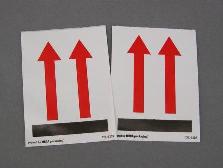
Examples of Acceptable Packaging
Leakproof Primary Receptacles
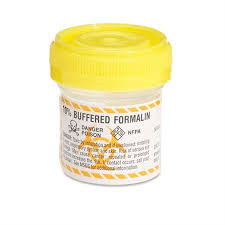
Plastic jar/canister |
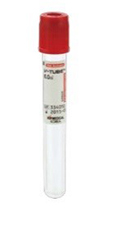
Vial |
Absorbent Material
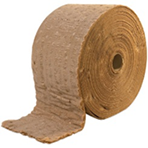
Cellulose wadding |
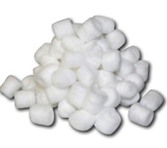
Cotton balls |
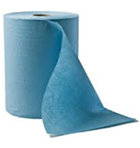
Paper towels |
Leakproof Secondary Packaging
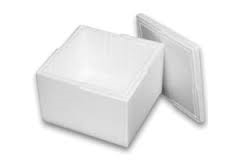
Styrofoam container |
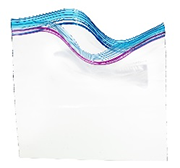
Sealed plastic bag |
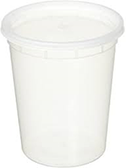
Plastic canister |
Sturdy Outer Packaging
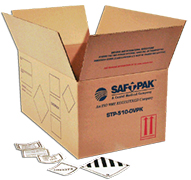
Corrugated fiberboard |
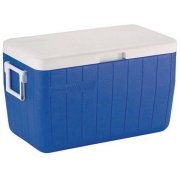
Rigid cooler |
References
- AVMA: Required Training for Packaging and Shipping Lab Specimens
- Code of Federal Regulations[
 ]
] - Compliance Training Reference Manual — The Safe Transport of Division 6.2 Infectious Substances, Biological Specimens, Dry Ice and Related Materials (Revision 6)
- FedEx: Pointers on Shipping Clinical Samples, Diagnostic Specimens and Environmental Test Samples[ ]
- UPS: Biological Substances


